12 Minecraft Dirt Village Ideas
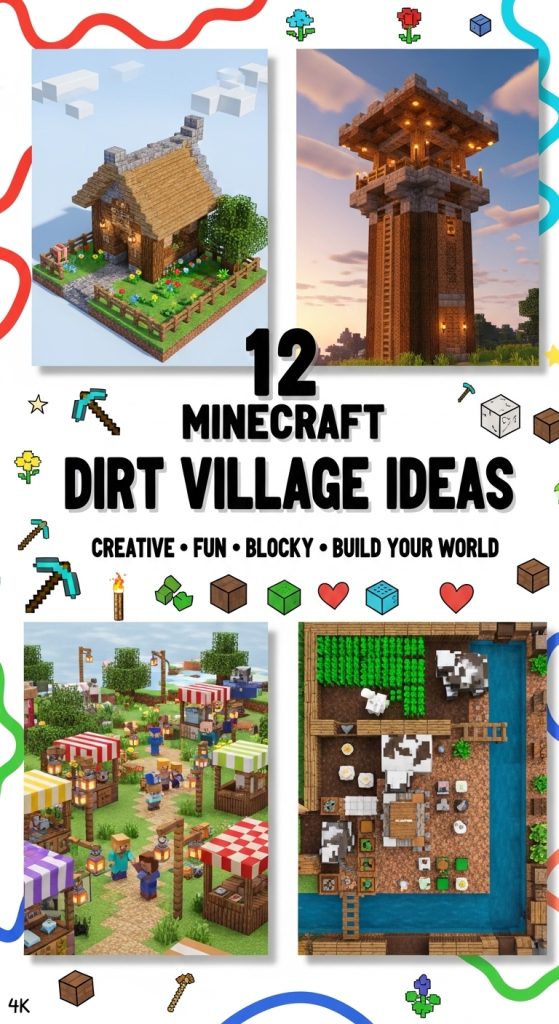
Minecraft villages can be the heart of your survival world. While many players opt for wood or stone, building a village primarily from dirt brings a raw, organic charm and provides an accessible way to start village projects. With creativity, dirt blocks can be transformed into cozy homes, gardens, and communal spaces that feel lived-in and enchanting. Below are 10 ideas for creating your own dirt villages in Minecraft that are both functional and aesthetically pleasing.
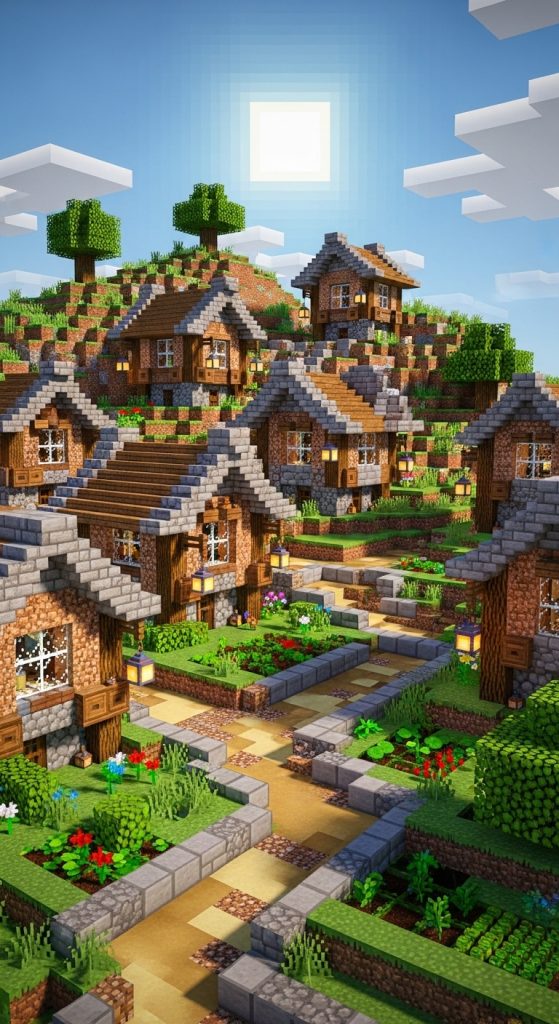
1. Rustic Hilltop Village
Imagine a village perched atop a gentle hill, each dirt house slightly offset from the next to follow the natural terrain. Use coarse dirt and grass blocks for pathways and layered dirt for foundation variations. Small wooden fences and lanterns can mark boundaries and add warmth.
Tips for realism:
- Carve small terraces into the hill for crop plots.
- Add a dirt and stone staircase leading up to the hill for villagers.
- Scatter flowers and shrubs to create natural landscaping.
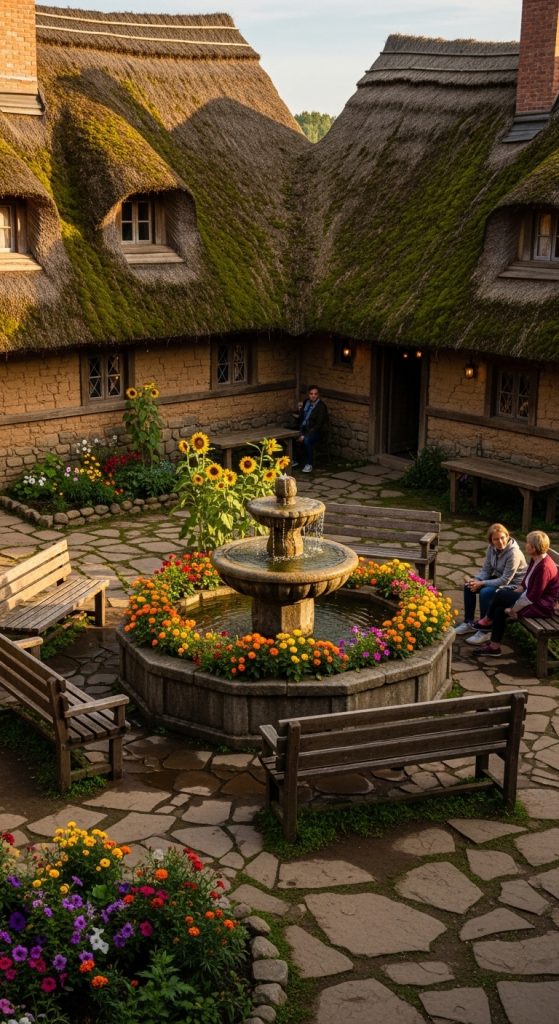
2. Dirt-Walled Courtyard Village
This design features dirt houses surrounding a central open courtyard. The courtyard can include a small water fountain or a communal garden. Houses can have thatched roofs made from hay blocks or wooden slabs to complement the dirt walls.
Tips for charm:
- Place benches or crafting tables in the courtyard for a lived-in feel.
- Use path blocks and dirt slabs to connect buildings smoothly.
- Add a small well in the center for authenticity.
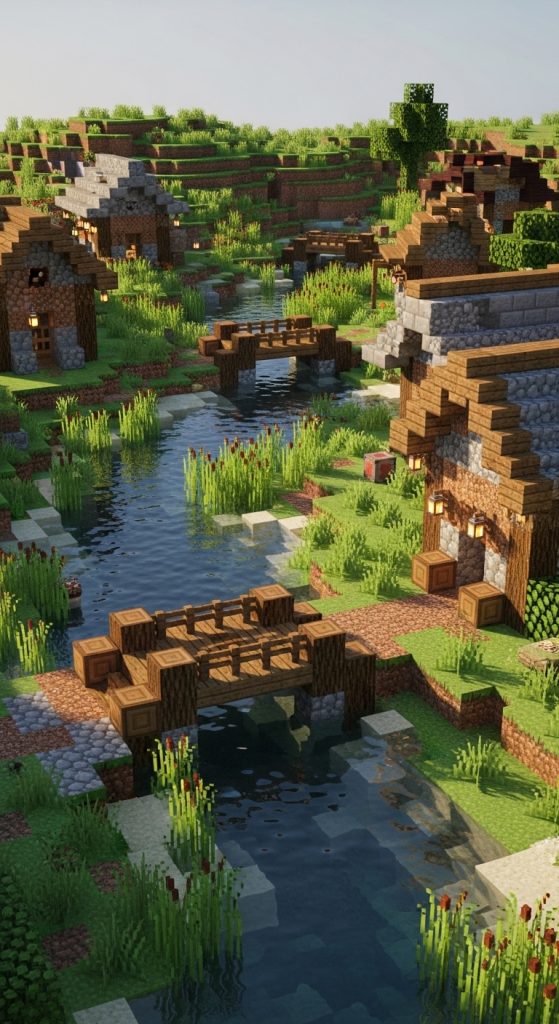
3. Streamside Dirt Hamlet
Positioning your village alongside a stream or river creates a serene and picturesque environment. Build small dirt huts with wooden decks extending toward the water. Bridges made from planks or logs can connect opposite banks.
Tips for realism:
- Plant reeds and lilies along the banks.
- Use mossy cobblestone or dirt for a natural, worn path.
- Add a small fishing area for villagers or players.
4. Forest Edge Village
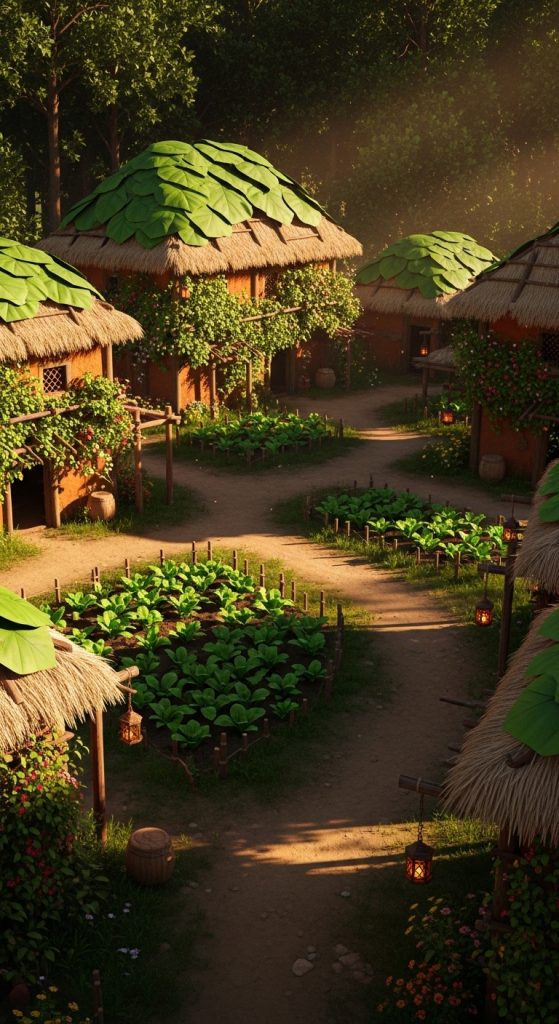
A village built at the edge of a dense forest benefits from natural cover and abundant resources. Dirt houses can be interspersed between trees, with vine-covered walls adding an organic feel. Use leaf blocks as accents on roofs or fences.
Tips for charm:
- Create small clearings for vegetable gardens.
- Place torches inside tree trunks or on branches to light paths.
- Use coarse dirt for pathways to maintain a natural aesthetic.
5. Mountain Plateau Settlement
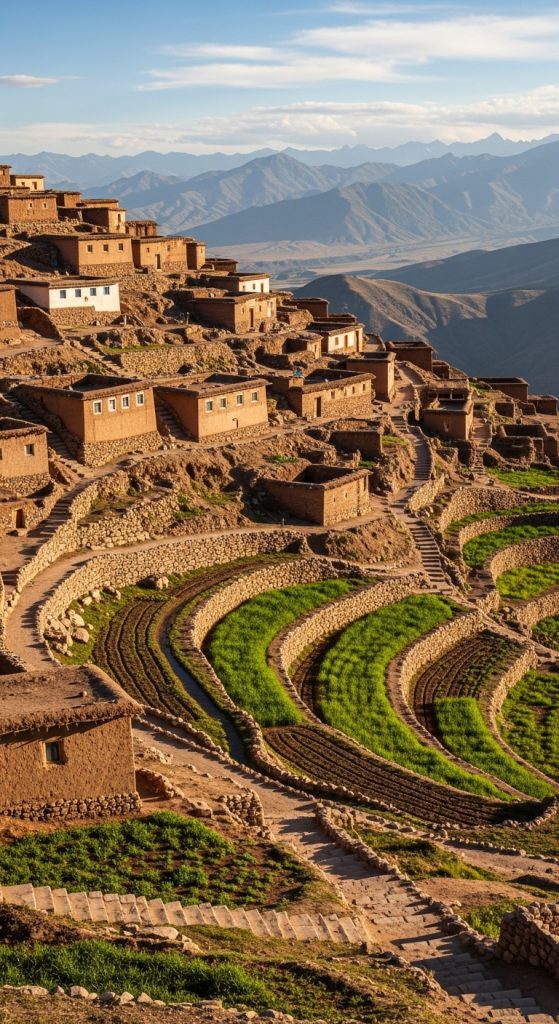
High-altitude villages on dirt plateaus offer panoramic views. Layer dirt blocks to create multi-level homes, giving a sense of depth. Wooden ladders and fences can provide access between levels, while stone accents can reinforce cliff edges.
Tips for realism:
- Terraces for crops or livestock enhance village functionality.
- Build lookout towers or small windmills for visual interest.
- Use slabs and stairs to avoid flat, monotonous structures.
6. Lakeside Dirt Village
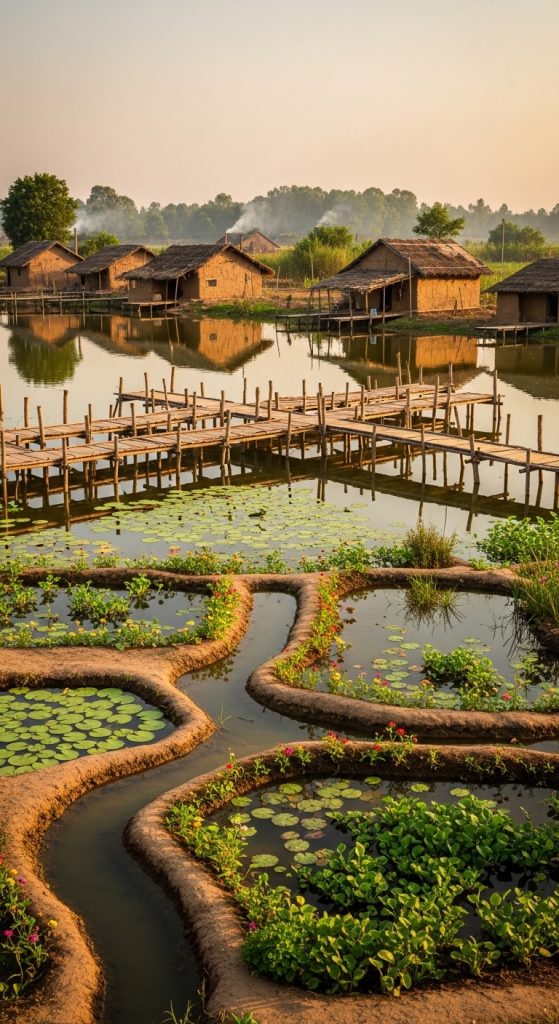
Villages near lakes can be designed with docks, water gardens, and small dirt cottages. Floating platforms or boathouses made from dirt and wood can extend into the water.
Tips for charm:
- Add lily pads and small reeds in shallow water.
- Include a wooden dock with barrels and boats.
- Build small dirt piers for villagers to interact with the lake.
7. Village with Dirt and Cobblestone Mix
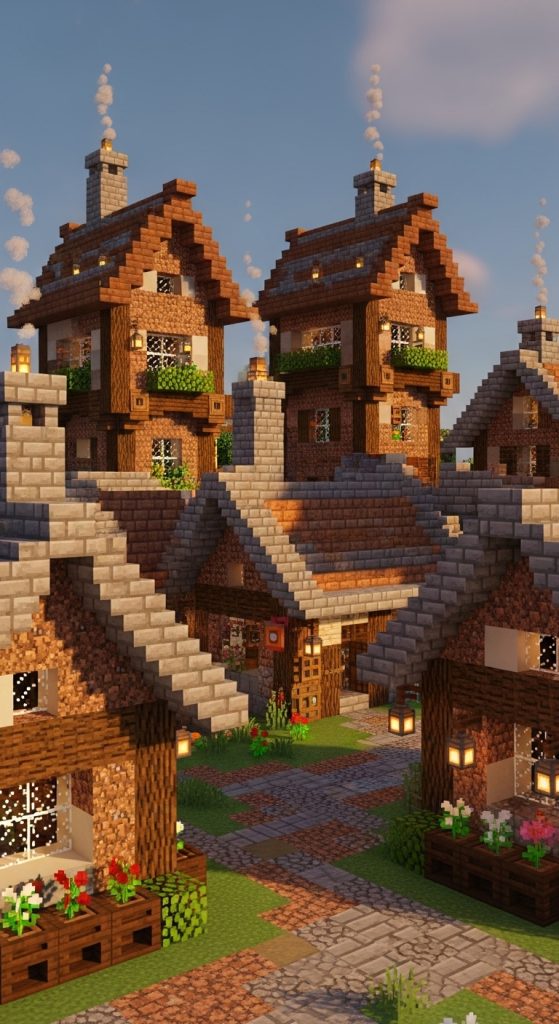
Incorporating cobblestone into dirt houses adds texture and realism. Use dirt for walls and cobblestone for foundations, chimneys, or roof accents. The contrast creates a rustic yet sturdy appearance.
Tips for realism:
- Mix coarse dirt and podzol for variation in paths.
- Add small wooden fences around gardens or livestock pens.
- Include flower boxes on windowsills using dirt and leaves.
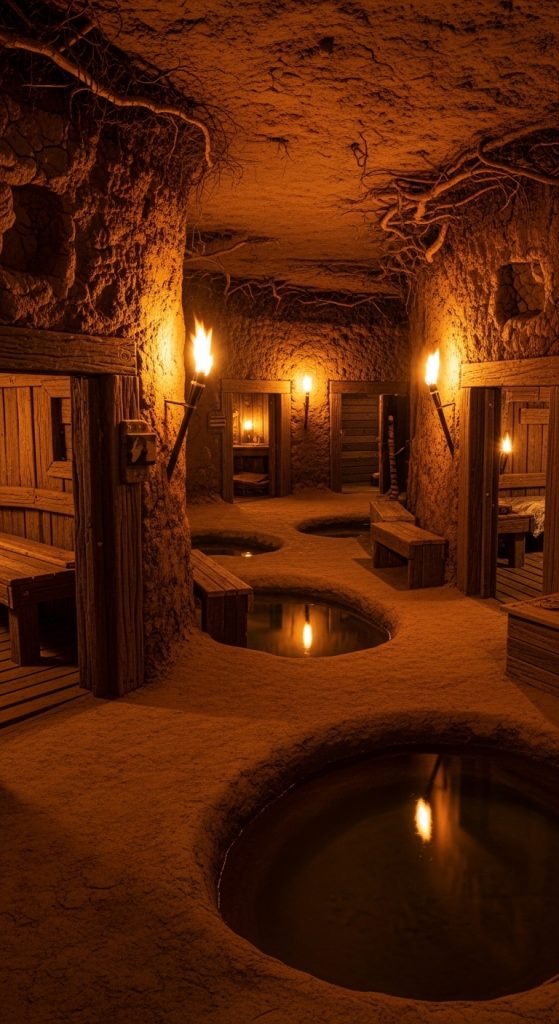
8. Underground Dirt Hamlet
Take the village concept underground by carving homes into dirt cliffsides or hills. The interiors can feature cozy dirt walls and wooden accents, with torches for lighting.
Tips for charm:
- Connect rooms with dirt staircases and tunnels.
- Add small underground water pools or wells for atmosphere.
- Use dirt slabs and carpets to make interiors feel homely.
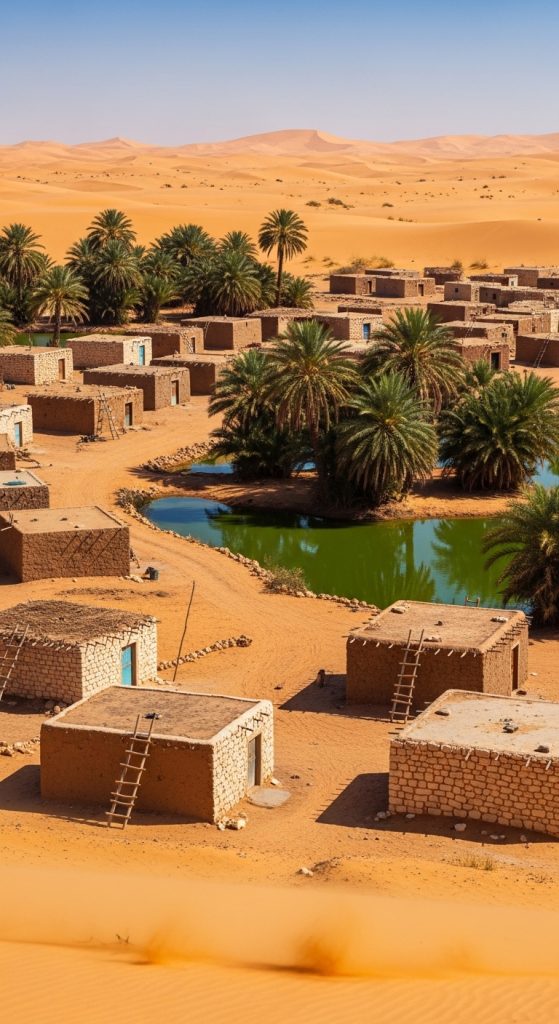
9. Desert Dirt Oasis Village
Even in a desert biome, dirt can be used creatively for a village. Construct dirt huts with flat roofs, surrounded by palm-like trees and small oases. Use sand and sandstone to blend with the surroundings.
Tips for realism:
- Plant cacti and small shrubs to enhance desert vibes.
- Include small irrigation channels connecting water pools.
- Use hay bales and terracotta accents to decorate homes.
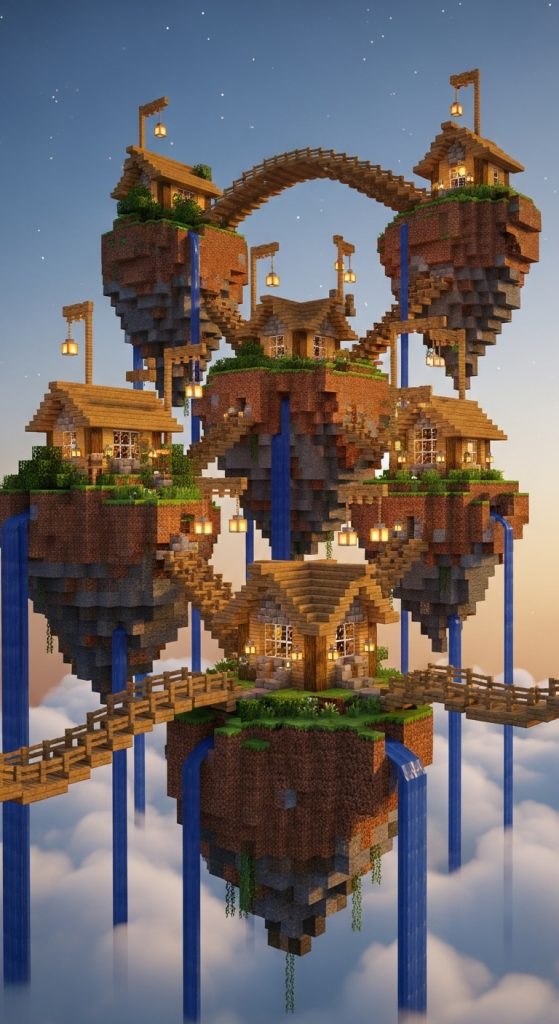
10. Floating Dirt Island Village
Build a village on floating dirt islands connected by wooden bridges. Each island can host one or two dirt huts, gardens, or communal spaces. This gives a magical, sky-high feel.
Tips for charm:
- Hang lanterns under bridges for glowing paths at night.
- Add waterfalls or small waterfalls flowing into clouds or void below.
- Use coarse dirt and slabs for varied terrain on each island.
Building Tips for All Dirt Villages
- Texture variety: Mix dirt types—regular, coarse, podzol—to avoid monotony.
- Layered roofs: Even small slopes on dirt roofs can make buildings feel more natural.
- Vegetation: Flowers, shrubs, trees, and vines add life to dirt villages.
- Lighting: Use lanterns, torches, and glowstone for warmth.
- Pathways: Combine dirt, coarse dirt, and wooden slabs for charming, realistic streets.
Dirt villages may seem simple, but with thoughtful placement, layering, and landscaping, they can become enchanting survival hubs or decorative projects that feel alive. Their charm lies in imperfection and organic flow, making them ideal for players seeking cozy, rustic, and Pinterest-worthy Minecraft builds.